


Towing and Hauling with Nissan Trucks in El Cajon
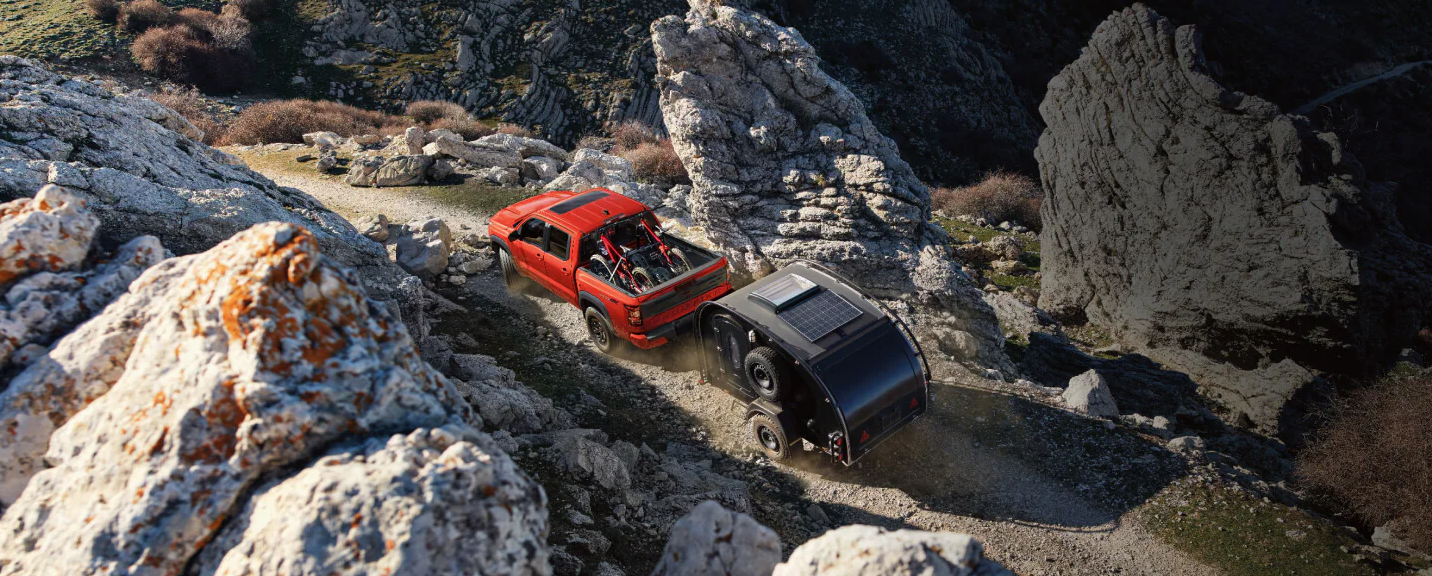
Towing in El Cajon comes with its unique challenges, especially for Nissan truck owners navigating local terrain and varying road conditions. Whether you're hauling gear to the rugged trails near Mission Trails Regional Park or towing equipment through the busy streets of downtown El Cajon, knowing how to tow safely and effectively is essential. Nissan trucks like the Frontier and Titan are engineered for impressive towing capabilities, but understanding key techniques and preparation steps ensures you make the most of their potential while staying safe on the road. Begin by evaluating the specific towing capacity of your Nissan truck to ensure it matches your hauling needs. Overloading can compromise vehicle performance and increase the risk of accidents, especially on steep grades like those near Fletcher Hills. Properly securing your load, distributing the weight evenly, and ensuring your trailer's braking system is operational are vital steps to safe towing. Keep in mind that features such as Nissan's advanced tow-haul mode and available trailer sway control add an extra layer of security, making it easier to manage your trailer under various driving conditions.
Nissan Truck Owners in El Cajon: Towing Tips You Need to Know
Know Your Nissan Truck's Towing Capacity
Understanding your Nissan truck’s towing capacity is a critical first step before hitching up a trailer or loading heavy gear. It ensures safety, protects your vehicle from undue stress, and helps you plan for efficient towing. The towing capacity represents the maximum weight your truck can safely tow, and knowing this limit is essential for all towing scenarios, whether you’re transporting equipment around El Cajon or preparing for a road trip.
To find your truck’s specific towing capacity, the most reliable source is your owner’s manual. This document provides detailed information on your truck’s capabilities, including towing limits, payload capacity, and weight distribution guidelines. Alternatively, you can check the sticker located on the driver’s side door jamb, which often lists gross vehicle weight rating (GVWR) and other pertinent details. Understanding these figures helps differentiate between towing capacity (the maximum weight your truck can pull) and payload capacity (the maximum weight it can carry, including passengers and cargo in the cabin and bed). It’s crucial not to confuse these two figures, as exceeding your truck’s towing capacity can strain the engine, transmission, and suspension, potentially leading to damage.
Conversely, exceeding the payload capacity can affect the truck’s handling and braking efficiency. Knowing your exact specs allows you to tow responsibly, ensuring both your safety and that of other road users.
Factors Affecting Towing Capacity
Several factors influence your truck’s towing capacity. Key among them are the engine type, drivetrain configuration, and cab style. For example, a Nissan Frontier equipped with a 3.8-liter V6 engine and 4x4 drivetrain will have a different towing capacity than the same model with a 4x2 drivetrain. Additionally, extended and crew cab models may have variations in weight, which can slightly impact towing capabilities.
Optional towing packages are another significant factor. Many Nissan trucks offer factory-installed towing packages that include enhancements like upgraded hitches, wiring harnesses, and additional cooling systems for the engine and transmission.
These packages not only improve towing capacity but also ensure your truck is better equipped to handle the demands of towing heavy loads. If you’re planning to tow frequently, investing in a towing package can provide both peace of mind and enhanced performance.
Pre-Towing Checklist, Hitch and Wiring
Before heading out with your trailer in tow, it’s important to conduct a thorough pre-towing checklist. This ensures that both your truck and trailer are in optimal condition, reducing the risk of breakdowns and improving overall safety. Here’s what to prioritize in your preparation process.
The hitch and wiring system are the backbone of any towing setup. A properly installed hitch is essential for securely connecting your trailer to your truck. Depending on the weight of your load, you’ll need the appropriate class of hitch. For instance, a Class III hitch is suitable for medium-duty towing, while a Class IV or V is necessary for heavier trailers.
Equally important is the wiring harness, which connects your trailer’s lighting and braking systems to your truck. This ensures that brake lights, turn signals, and other essential functions work seamlessly, improving visibility and communication with other drivers. If you’re unsure about the condition or compatibility of your hitch and wiring, having them inspected by a professional is a smart move. The experts at Mossy Nissan El Cajon can ensure that your towing setup meets safety standards and is ready for the road.
Trailer Brakes, Weight Distribution and Tire Pressure
Trailer brakes are a crucial component for heavier loads. They help reduce stopping distances, improve control, and prevent excessive wear on your truck’s braking system. If your trailer exceeds a certain weight—typically 1,500 pounds—trailer brakes are not only recommended but often legally required. Before towing, check that your trailer brakes are functioning properly. This includes inspecting the brake controller in your truck, ensuring it’s calibrated correctly, and testing the braking response of the trailer. Regular maintenance and inspections of your trailer brakes can save you from potential mishaps and ensure smoother, safer stops.
Weight distribution plays a major role in towing stability and control. Uneven weight distribution can lead to swaying, reduced traction, and difficulty steering. To address this, ensure that the majority of the weight is centered over the trailer’s axle, with approximately 10-15% of the trailer’s total weight placed on the hitch.
For larger trailers, a weight distribution hitch can be a game-changer. These hitches distribute the load more evenly between the truck and trailer, improving stability and minimizing rear-end sag on your truck. Properly distributed weight not only enhances safety but also makes the towing experience more comfortable. Maintaining proper tire pressure on both your truck and trailer is vital for safe towing. Under-inflated tires can lead to increased rolling resistance, reduced fuel efficiency, and overheating, while over-inflated tires may compromise traction and handling. To find the correct PSI for towing, consult your truck’s owner’s manual or the tire placard on the door jamb.
For trailers, check the manufacturer’s recommendations on the tire sidewall. Regularly inspect tire pressure using a reliable gauge and adjust as needed before every trip. Proper tire maintenance ensures a smoother ride, better fuel economy, and reduced risk of blowouts during your journey. By following these guidelines and conducting a comprehensive pre-towing checklist, you can maximize the performance and safety of your Nissan truck while towing in and around El Cajon. Whether you’re hauling equipment for work or heading out on a recreational adventure, these steps ensure a reliable and stress-free towing experience.
Towing Techniques for El Cajon
Towing in a region like El Cajon, with its diverse terrain and road conditions, requires specific techniques to ensure safety and efficiency. Whether you're tackling steep grades, handling windy conditions, or navigating through narrow streets, knowing the right towing methods is essential. Proper techniques not only protect your Nissan truck and trailer but also make your journey smoother and more enjoyable.
El Cajon’s hilly terrain presents unique challenges for drivers towing heavy loads. Ascending and descending steep grades requires a thoughtful approach to maintain control and protect your vehicle’s components. When climbing steep inclines, it’s important to keep a steady pace and avoid overworking the engine. Shifting to a lower gear helps optimize torque and prevents unnecessary strain on your transmission. This technique ensures that your truck maintains its power without overheating, especially during extended uphill stretches. Descending grades demands equal caution. Instead of relying solely on your brakes, use engine braking to control your speed. Shifting into a lower gear reduces the reliance on the brake system, preventing overheating and wear. This technique, combined with gentle and intermittent braking, provides a controlled descent.
Additionally, keeping a safe distance from the vehicle ahead is crucial when towing on steep slopes, as it allows ample time to react to sudden stops or changes in road conditions.
Handling Windy Conditions, Navigating Tight Turns and Narrow Roads
El Cajon’s open stretches and occasional windy conditions can pose challenges for trailer stability. Crosswinds, in particular, can cause swaying, making it difficult to maintain control. Reducing your speed is the first line of defense against wind-induced trailer instability. Driving at a slower pace minimizes the impact of crosswinds and allows for better handling.
Maintaining a firm grip on the steering wheel is equally important. Sudden gusts can push your trailer sideways, and a steady hand helps counteract these forces. To further enhance stability, ensure that your load is evenly distributed and securely fastened. If conditions become too severe, finding a safe place to pull over and wait for the wind to subside is a prudent choice. By taking these precautions, you can navigate windy conditions with confidence, ensuring the safety of your truck, trailer, and passengers.
Maneuvering a trailer through El Cajon’s tight turns and narrow roads requires patience and precision. Making wide turns is essential to prevent the trailer from clipping curbs or other obstacles. Before approaching a turn, position your truck closer to the opposite side of the lane to give the trailer ample room to swing. Taking it slow and steady is the key to maintaining control and avoiding accidents. Narrow roads present their own challenges, especially when towing larger trailers. Staying aware of your surroundings and using mirrors to monitor the trailer’s position are critical. If you find yourself in a particularly tight spot, don’t hesitate to pull over and assess the situation.
In some cases, having a spotter guide you through tricky areas can make a significant difference. By adopting these careful maneuvering techniques, you can handle tight spaces with ease and ensure a stress-free towing experience.
Hauling Cargo, Securing Cargo and Distributing Weight Evenly
While towing often involves trailers, hauling cargo in your Nissan truck’s bed is equally common. Properly managing and securing your cargo is essential to maintain safety, protect your vehicle, and ensure a smooth journey. Whether you're transporting equipment for work or gear for a weekend adventure, following best practices for hauling cargo is crucial. Properly securing cargo in your truck bed prevents items from shifting, falling, or causing damage during transit. Loose cargo can not only harm your truck’s bed but also create hazards for other drivers if items fall onto the roadway. Using tie-downs, cargo nets, and bed liners helps keep everything in place, even on bumpy roads or during sudden stops.
Tie-downs, such as straps or ropes, are ideal for anchoring larger or heavier items. They provide stability and ensure that your cargo remains secure throughout the journey. Cargo nets are another effective option, particularly for smaller items, as they cover the entire load and prevent anything from flying out. Bed liners not only protect your truck bed from scratches and dents but also provide additional grip to reduce the risk of items sliding around. By investing in these tools, you can safeguard both your truck and your cargo during every trip.
Even weight distribution is critical for optimal handling and stability when hauling cargo in your truck bed. Uneven loads can affect your truck’s suspension, braking, and overall performance, leading to potential safety risks. Placing heavier items closer to the cab and centering the load minimizes the impact on your vehicle’s balance.
Overloading your truck bed is another issue to avoid. Exceeding the recommended payload capacity can strain your suspension and brakes, reducing your truck’s ability to handle sudden stops or sharp turns.
Always check your owner’s manual for the maximum payload capacity and adhere to these limits. For larger or more complex loads, consulting a professional, such as the experts at Mossy Nissan El Cajon, can ensure that your truck is properly equipped and ready for the task. By securing your cargo and maintaining proper weight distribution, you can protect your Nissan truck’s performance and enjoy a safe, efficient hauling experience in and around El Cajon. Combining these practices with the towing techniques discussed earlier ensures that you’re prepared for any challenge the road may present.
Regular Maintenance
Regular maintenance is essential for any vehicle, but it becomes even more critical for trucks that are frequently used for towing and hauling. The increased demands of towing add strain to various components of your vehicle, making adherence to the recommended maintenance schedule a key factor in ensuring reliability and safety. When towing regularly, small maintenance tasks that might be overlooked in a lightly-used vehicle take on greater importance.
One of the most basic but vital aspects of maintenance is routine oil changes. Towing increases engine workload, causing oil to degrade more quickly. Regularly replacing oil with the manufacturer-recommended type and viscosity ensures that your engine operates smoothly under the added stress of towing. Air filters also require closer attention, as towing generates additional heat and may expose your vehicle to more dust and debris, particularly in areas like El Cajon, where off-road adventures are popular. Keeping air filters clean helps maintain engine efficiency and prevents overheating.
Inspecting the tires is another critical aspect of regular maintenance. Proper inflation is essential for safety and performance, particularly when towing. Underinflated or worn tires can compromise stability and fuel efficiency, while overinflated tires increase the risk of blowouts. Always refer to the tire pressure recommendations listed in your owner’s manual, and inspect the tread regularly to ensure optimal grip. For those frequently towing heavier loads, upgrading to tires designed for higher weight capacities might also be worth considering. Regular checkups with a trusted service center, such as Mossy Nissan El Cajon, can help you stay on top of these maintenance tasks and keep your vehicle in top condition.
Transmission, Cooling System and Brakes
Towing places significant strain on your vehicle’s transmission and cooling system, making proactive maintenance in these areas crucial. The added weight of a trailer or heavy cargo forces the transmission to work harder, especially during uphill climbs, frequent gear shifts, or long-distance trips. This increased workload can lead to overheating and accelerated wear if not addressed through proper care.
One of the best ways to protect your transmission is through regular fluid checks and changes. Transmission fluid serves as a lubricant and coolant, preventing excessive heat buildup and reducing friction between components. Over time, the fluid can break down or become contaminated, reducing its effectiveness. For vehicles used for towing, more frequent fluid changes are recommended compared to a standard schedule. Checking the fluid level and color regularly ensures that your transmission remains in optimal condition and helps prevent costly repairs.
The cooling system also deserves extra attention, as it plays a vital role in regulating engine and transmission temperatures under heavy loads. Inspecting the radiator, hoses, and coolant levels should be part of your regular maintenance routine. Coolant degrades over time and loses its ability to effectively dissipate heat, so periodic flushing and replacement are essential. Additionally, consider installing an auxiliary transmission cooler if towing is a regular activity. This simple upgrade helps manage heat more efficiently, especially during long trips or in the hot climate of El Cajon, where elevated temperatures can exacerbate the risk of overheating. Proper maintenance of the transmission and cooling system ensures that your vehicle can handle towing demands without compromising performance or longevity.
Your braking system is one of the most critical components to monitor when towing or hauling, as it directly affects your ability to stop safely under increased weight. Towing a trailer or carrying a heavy load significantly extends braking distances, placing additional stress on your vehicle's braking system. Regular inspection and maintenance of both your truck's brakes and any trailer brakes are essential to ensure safety and control.
Start with the brake pads and rotors on your vehicle. Towing increases wear on these components, making routine checks even more important. Worn brake pads or warped rotors can reduce stopping power and lead to dangerous situations, particularly during downhill descents or sudden stops. Replacing brake pads before they become excessively thin prevents damage to the rotors and maintains optimal braking performance. For those towing frequently, upgrading to heavy-duty or performance brake pads can provide added durability and stopping power.
Trailer brakes also require close attention. Many trailers are equipped with their own braking systems to help manage the additional weight and reduce the burden on your truck’s brakes.
Ensuring that the trailer brakes are functioning correctly is just as important as maintaining your vehicle’s brakes. Test the trailer’s braking system regularly, and inspect the connections between the trailer and your truck, including the wiring and brake controller. Properly functioning trailer brakes not only enhance safety but also improve overall towing stability. At last, consider the brake fluid. Over time, brake fluid can absorb moisture, reducing its effectiveness and increasing the risk of brake fade during extended use. For vehicles frequently used for towing, more frequent fluid checks and replacements are recommended. By giving proper attention to your braking system, you can tow with confidence, knowing that your vehicle is equipped to handle the demands of increased weight and frequent stops.
Nissan Trucks for Towing in El Cajon
| Truck Model | Maximum Towing Capacity (approx.) | Trailer Types |
|---|---|---|
| 2025 Nissan Frontier | Up to 6,720 lbs |
|
| 2025 Nissan Titan | Up to 9,310 lbs (King Cab) / 9,260 lbs (Crew Cab) |
|
Note: Towing capacity can vary depending on engine, drivetrain (4x2 vs. 4x4), cab configuration, and optional equipment. Always refer to your specific truck's owner's manual for the exact towing capacity and recommendations.
Elevate Your Driving Experience with Mossy Nissan El Cajon
Towing in El Cajon isn't just about the drive; it's also about preparation and confidence. Owning a Nissan truck equips you with the tools for reliable towing, but practicing the right techniques makes all the difference. Whether you're heading out to set up a campsite near Lake Jennings or transporting work materials to Santee, having the right knowledge helps you get the job done smoothly. For El Cajon residents who rely on their Nissan trucks daily, a focus on safety and efficiency keeps you ready for any task or adventure that comes your way.
For El Cajon residents who rely on their Nissan trucks for work, play, or both, Mossy Nissan El Cajon is here to enhance your experience with expert insights and a range of services tailored to local drivers. Whether you're planning to explore the rugged trails near Mission Trails Regional Park or tow heavy loads through East County, having the right truck and the right guidance makes all the difference. We offer resources to help you make the most of your Nissan truck. Check out our guide on Off-Roading in El Cajon with Your Nissan Truck for tips on navigating local trails safely and effectively.
Beyond off-roading, Mossy Nissan El Cajon provides an extensive inventory of new and certified pre-owned trucks, ensuring you find the perfect match for your lifestyle. For those considering a used vehicle, understanding its performance is essential. Learn more by exploring Tips for Test Driving Used Cars at Mossy Nissan El Cajon, where we outline what to look for to make an informed decision.
Choosing a certified pre-owned Nissan truck also comes with added peace of mind. Our vehicles undergo rigorous inspections to ensure quality and reliability, offering you long-term value. Discover more about why this option might be perfect for you in The Benefits of Buying Certified Pre-Owned in El Cajon. Mossy Nissan El Cajon combines local expertise with top-tier inventory and customer-focused services, making your truck ownership journey seamless and rewarding. Stop by today and see how we can help you gear up for your next adventure!