


What Affects Your Car’s Trade-in Value?

When it comes to trading in your car, understanding what influences its value is essential to getting the best deal. Whether you're planning to upgrade or simply looking for a change, various factors impact how much a dealership will offer for your vehicle. From its age and mileage to its overall condition and market demand, several key elements come into play. For residents in El Cajon, knowing how these factors affect your car's trade-in value can help you prepare and maximize your return.
What Affects Your Car's Trade-In Value?
When it comes to trading in a vehicle, several factors influence the final offer you will receive from a dealership. Understanding what goes into determining your car’s trade-in value can help you prepare and potentially maximize the amount you get for your vehicle. The following are some of the most important aspects that impact trade-in value, including the make and model, the year of the car, mileage, condition, options and features, service history, and accident history. Each of these elements plays a crucial role in the dealership’s evaluation process and can either increase or decrease the value of your trade-in.
Make and Model
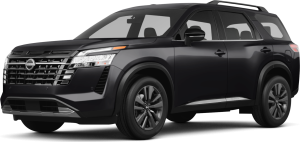
The make and model of your vehicle are often one of the most significant factors influencing its trade-in value. Certain brands are known for retaining their value better than others due to their reputation for reliability, quality, and desirability in the market. For example, brands that consistently produce reliable vehicles, such as Nissan, are more likely to have higher resale values. This is because consumers are more likely to seek out these brands when shopping for pre-owned vehicles, which increases their demand and helps maintain their value.
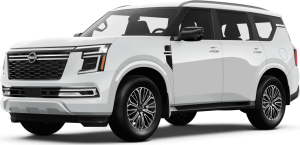
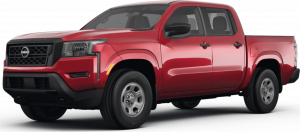
On the other hand, models that are less popular or have a reputation for frequent repairs may see a drop in trade-in value. Additionally, the specific model of your vehicle can also affect its value. Models that were highly sought after when they were new are often more desirable as used cars, especially if they offer popular features such as a strong engine or excellent fuel efficiency. For instance, SUVs and trucks tend to hold their value better due to their versatility and demand, especially in regions like El Cajon where these types of vehicles are favored.
Another consideration related to make and model is the current popularity and desirability of the vehicle. Sometimes, a vehicle may lose value if a newer version has been released with upgraded features, making the older version less attractive to buyers. Dealerships keep track of trends and buyer preferences, and this can affect how much they offer for your trade-in. Similarly, models with a wide range of trim levels or limited editions may see variations in trade-in value based on which version you own. Special editions with unique features can be more valuable, while base models without extras may see a lower trade-in offer.
Year
The year of your vehicle plays a crucial role in determining its trade-in value, as newer vehicles generally have more value than older ones. This is primarily because newer models tend to have the latest technology, safety features, and performance enhancements that buyers seek in a used vehicle. Additionally, newer vehicles are less likely to have significant wear and tear, making them more appealing for resale. As vehicles age, depreciation becomes a major factor in reducing their trade-in value. Cars typically lose a significant portion of their value within the first few years of ownership. For example, a vehicle may lose up to 20-30% of its value within the first year alone. This rapid depreciation slows down after the initial few years, but it still impacts trade-in offers significantly. However, if your vehicle is older but in excellent condition, it may still command a decent trade-in value, especially if it has low mileage and a solid service history.
It’s important to recognize that certain vehicles depreciate more slowly than others. Luxury brands or vehicles with a strong reputation for reliability may hold their value better, even as they age. On the flip side, cars from brands or models that are known for high repair costs or frequent issues may depreciate more rapidly. Depreciation also accelerates if there are major changes in automotive technology or regulations, as older vehicles may lack essential features like advanced driver assistance systems or better fuel efficiency standards.
Mileage and Vehicle Condition
The number of miles on your vehicle’s odometer is another significant factor that influences trade-in value. Lower mileage is generally associated with less wear and tear on the engine, transmission, and other vital components, meaning the vehicle is likely to have more life left in it. As a result, cars with lower mileage tend to command higher trade-in offers. For instance, a vehicle with 50,000 miles is typically seen as more valuable than one with 150,000 miles, even if both cars are of the same make, model, and year.
Dealerships consider mileage when determining trade-in value because it provides an indication of how much the vehicle has been driven and how much wear and tear the vehicle has experienced. A car that has been driven extensively over several years may have more mechanical issues or may require repairs in the near future, making it less appealing to potential buyers. On the other hand, a vehicle with low mileage suggests that it has not been used as heavily and may still have a longer lifespan ahead of it.
However, mileage alone is not the only consideration. How the vehicle was driven and maintained also matters. A car with 100,000 miles that was regularly serviced, maintained, and driven on highways may be in better condition than a car with 50,000 miles that was primarily driven in stop-and-go city traffic. In this context, it’s not just the mileage itself but how those miles were accumulated that plays a role in the trade-in value. Dealerships may inspect the car’s overall condition and service history to gauge whether high mileage is a cause for concern.
The overall condition of your vehicle, both inside and out, has a substantial impact on its trade-in value. Dealerships closely inspect the physical and mechanical condition of the car to determine how well it has been maintained. Cosmetic issues like dents, scratches, and rust on the exterior, as well as stains or tears in the interior, can lower the trade-in value. Vehicles that are clean, well-kept, and free of damage are more attractive to potential buyers, which in turn raises their trade-in value. Mechanical condition is equally, if not more, important than cosmetic condition. Dealerships will check the engine, transmission, brakes, suspension, and other key components to ensure that the vehicle is in good working order. Any issues that require repairs will lower the trade-in value, as the dealership will need to invest in fixing the vehicle before it can be resold. Vehicles that have been regularly serviced and are free of mechanical issues are likely to receive higher trade-in offers.
Cosmetic and Mechanical Factors
Cosmetic and mechanical condition also go hand in hand. A car that looks great but has underlying mechanical issues won’t fetch a high trade-in value, just as a mechanically sound car with significant cosmetic damage will still see its value diminished. Therefore, both elements should be carefully considered before bringing your vehicle in for trade-in. It may be worth investing in minor repairs or touch-ups to boost your car’s overall appeal and increase the trade-in offer.
The features and options that your vehicle comes equipped with can also influence its trade-in value. Vehicles with desirable options, such as leather seats, sunroofs, premium sound systems, and advanced safety technologies, often command higher trade-in offers. These features make the vehicle more appealing to potential buyers, especially in a market where consumers are looking for modern conveniences and added comfort. For example, a car with heated seats, a built-in navigation system, or a state-of-the-art infotainment system may be more attractive to buyers than a base model without these features. Additionally, vehicles with advanced driver-assistance systems (ADAS) like lane departure warning, adaptive cruise control, and automatic emergency braking are becoming increasingly sought after, further boosting trade-in value.
Technology and Customization
It’s not just about having options and features; it’s also about having the right ones. Certain technological upgrades, such as Bluetooth connectivity, backup cameras, and smartphone integration, are now standard in many new vehicles, making them almost expected by buyers in the used market. Customizations, on the other hand, can sometimes have the opposite effect. While some buyers may appreciate aftermarket additions like custom rims or exhaust systems, others may view these as potential liabilities, leading dealerships to lower the trade-in value.
Service History and Accident History
A well-documented service history can significantly boost your car’s trade-in value. Vehicles that have been regularly serviced and maintained at authorized dealerships, like Mossy Nissan El Cajon, are perceived as more reliable and trustworthy. A complete service record demonstrates that the owner has taken care of the vehicle, which reduces the risk of future mechanical problems. Maintaining a regular schedule for oil changes, tire rotations, brake inspections, and other routine maintenance tasks is essential for keeping your vehicle in top condition. If you have records showing that your car has been consistently maintained, dealerships are more likely to offer a higher trade-in value. This is because the vehicle is less likely to have hidden issues that could require costly repairs in the future.
When trading in your vehicle, having a transparent service history can work to your advantage. Dealerships appreciate when they can verify that a car has been well-maintained and is less likely to have hidden mechanical issues. On the other hand, a lack of service history or inconsistent maintenance records can lead to a lower trade-in offer, as it raises questions about the vehicle’s overall condition and reliability. Having your car serviced at reputable dealerships, like Mossy Nissan El Cajon, can give you an added advantage in this regard, as it provides a traceable record of high-quality care.
The accident history of your vehicle is another major factor that can affect its trade-in value. Even if your car has been fully repaired after an accident, it’s likely that the trade-in value will be lower than that of a vehicle with no accident history. This is because damage from accidents, especially if it was severe, can have long-term effects on the vehicle’s structural integrity and overall performance.
Dealerships often use vehicle history reports, such as those from Carfax, to check for any accidents, damage, or major repairs. A clean accident history is always preferable, but if your car has been in an accident, it’s important to be upfront about it when trading it in. Even if the vehicle has been repaired to factory standards, its trade-in value will likely be impacted by the accident history. If your vehicle has been in an accident, the quality of the repairs is crucial to maintaining some of its trade-in value. High-quality repairs done by certified technicians using genuine parts can help reduce the negative impact of an accident on your vehicle’s trade-in value. However, repairs that were done cheaply or with non-OEM parts may further reduce the value, as dealerships may need to fix these issues before reselling the vehicle.
Market Factors
When preparing to trade in your vehicle, it’s important to understand that the broader market conditions can have a significant impact on the offer you receive. Factors such as supply and demand, seasonality, economic conditions, and even fuel prices can all influence the trade-in value of your car.
Supply and Demand
Supply and demand is one of the most fundamental principles that affect trade-in values. If there is a high demand for your specific make and model, you’re likely to get a better offer from the dealership. For example, if your vehicle is a popular model like a Nissan Rogue or Frontier, which are highly sought after due to their versatility and reliability, you might receive a higher trade-in value because dealerships know they can quickly resell the car. Conversely, if the market is saturated with similar vehicles or your model is less popular, the dealership may offer a lower trade-in value since they may anticipate it sitting on their lot for longer.
The supply of vehicles can also be affected by factors such as production slowdowns, model discontinuations, or changes in consumer preferences. For example, as electric vehicles become more popular, demand for traditional gas-powered vehicles could decrease, impacting their trade-in value. In regions like El Cajon, where there is a growing interest in environmentally friendly vehicles, this could also influence the type of cars that dealerships are looking to add to their inventory.
Seasonality
Seasonality plays an important role in determining trade-in values as well. The time of year can influence the demand for certain types of vehicles, and dealerships often adjust their offers based on these seasonal trends. For instance, convertibles tend to be more desirable in the spring and summer months when the weather is warmer and people are more inclined to enjoy open-top driving. As a result, you may receive a better trade-in offer for a convertible during these seasons. On the other hand, SUVs and trucks are typically in higher demand during the fall and winter months, especially in regions that experience harsh weather. In El Cajon, while the climate remains relatively mild year-round, there is still a preference for trucks and SUVs during the colder months, particularly for those planning trips to nearby mountainous areas or off-road adventures. Understanding these seasonal patterns can help you time your trade-in for when your vehicle is in higher demand.
Economic Conditions and Fuel Prices
The state of the overall economy also plays a role in trade-in values. During times of economic downturn or recession, consumers may be less willing or able to purchase new vehicles, leading to a decrease in demand for trade-ins. In such cases, used car values may decline as dealerships are less likely to pay top dollar for trade-ins if they expect it will take longer to sell them. Conversely, during periods of economic growth, dealerships may be more aggressive in their trade-in offers because there is a higher demand for both new and used vehicles.
The COVID-19 pandemic, for example, drastically impacted the automotive market, with supply chain disruptions causing inventory shortages and increased demand for used vehicles. This caused trade-in values to rise significantly during that period. While these trends can shift, being aware of the current economic climate can help you understand the factors influencing your vehicle’s trade-in offer.
Fuel prices are another external factor that can affect the desirability of certain vehicles and, in turn, their trade-in values. When gas prices are high, fuel-efficient cars and hybrids become more attractive to buyers, which can drive up their trade-in value. Conversely, vehicles with poor fuel economy, such as large SUVs or trucks, may see a dip in their value when gas prices are elevated, as consumers may be less inclined to purchase vehicles that are more expensive to operate. In areas like El Cajon, where daily commutes and longer road trips are common, fuel efficiency is often a key consideration for car buyers. Therefore, if you own a fuel-efficient car like the Nissan Leaf, you may be able to secure a higher trade-in offer, especially during times of rising fuel prices. Understanding these market dynamics allows you to better anticipate how external factors like gas prices may influence the trade-in value of your vehicle.
Additional Factors
In addition to broader market conditions, several other factors specific to your location, the dealership, and your negotiation skills can also impact the trade-in offer you receive.
Location
Location plays a key role in determining trade-in values, as demand for certain types of vehicles can vary depending on geographic region and local market preferences. For example, in a city like El Cajon, where the climate is mild and outdoor activities are popular, SUVs and trucks tend to be in higher demand compared to smaller sedans. This demand can translate into higher trade-in offers for those types of vehicles. Additionally, proximity to larger urban areas or rural regions can affect what types of vehicles dealerships are most interested in. A dealership in an urban area may place a premium on compact, fuel-efficient cars, while a dealership in a more rural or mountainous region may prefer larger, off-road capable vehicles. Understanding these local preferences can give you insight into what vehicles are in demand and may help you get a better trade-in offer for your specific vehicle.
Dealer's Inventory
Another factor that can influence your trade-in offer is the dealership’s current inventory and their specific needs at the time of your trade-in. Dealerships aim to maintain a diverse inventory of vehicles that align with current market demand. If the dealership already has several vehicles similar to yours on their lot, they may offer you a lower trade-in value because they may not be able to sell your vehicle as quickly.
On the other hand, if your vehicle fills a gap in their inventory—such as a popular model in good condition that they don’t currently have in stock—they may be willing to offer you a higher trade-in value to acquire your car. Additionally, if the dealership is running promotions or has specific goals to meet, they may offer more competitive trade-in offers to secure your business. It’s always a good idea to check with the dealership to understand their current inventory needs and use that information to your advantage during the trade-in process.
Pro-Tips for Maximizing Your Trade-In Value
| Pro-Tip | Explanation |
|---|---|
| Thoroughly Research Your Vehicle's Value | Utilize online resources like Kelley Blue Book, Edmunds, and the National Automobile Dealers Association (NADA) to get a comprehensive understanding of your car's trade-in value. Consider factors like your car's make, model, year, mileage, condition, options, and local market trends. |
| Meticulously Gather Maintenance & Repair Records | Compile all maintenance and repair records, including oil changes, tire rotations, major repairs, and warranty work. A well-documented service history showcases your car's care and can positively impact its value. |
| Thoroughly Clean & Detail Your Car | A clean and well-presented car makes a strong first impression. Wash and wax the exterior, vacuum and shampoo the interior, and clean the engine bay. Consider a professional detailing service for optimal results. |
| Address Minor Repairs & Imperfections | Take care of any minor issues like burned-out lights, scratches, dents, or worn-out tires. These small fixes can significantly enhance your car's appearance and perceived value. |
| Shop Around & Obtain Multiple Offers | Don't settle for the first trade-in offer you receive. Visit multiple dealerships and get competitive bids. This will give you a better understanding of your car's market value and leverage for negotiation. |
| Negotiate the Trade-In & New Car Purchase Separately | Keep the trade-in and new car purchase negotiations distinct. This prevents the dealer from bundling the two and potentially offering a lower trade-in value to offset the new car's price. |
| Strategically Time Your Trade-In | Consider seasonal trends and market demand when trading in your car. Certain models may be in higher demand at specific times of the year, potentially leading to a more favorable offer. |
| Be Prepared to Walk Away if Unsatisfied | If you're not happy with the trade-in offer, don't hesitate to walk away. You can always sell your car privately or explore other dealerships. Remember, you have options and shouldn't feel pressured to accept a lowball offer. |
| Know Your Bottom Line | Determine the minimum trade-in value you're willing to accept before entering negotiations. This will help you stay focused and avoid settling for less than your car is worth. |
| Be Confident & Informed | Approach the trade-in process with confidence and knowledge. Research your car's value, understand the market, and be prepared to negotiate assertively to get the best possible deal. |
Maximizing Your Trade-In Value at Mossy Nissan El Cajon
Ultimately, being aware of what affects your car’s trade-in value helps you approach the process with confidence. With the right preparation and knowledge, you’ll be in a better position to negotiate a fair price and drive away with a deal that suits your needs. When it’s time to trade in your vehicle, Mossy Nissan El Cajon is here to help you get the best deal. Our team is dedicated to providing a smooth, fair trade-in process, where we consider all the factors that impact your car’s value. Whether you’re looking to trade up to a new or pre-owned vehicle, knowing what affects your trade-in value can make all the difference. To prepare, make sure your car is well-maintained, both mechanically and visually, as these small details matter.
For more tips, check out our guide on Top Trade-in Tips at Mossy Nissan El Cajon. If you're considering an electric vehicle for your next purchase, be sure to explore Electric Vehicle Charging Stations in El Cajon and learn more about EV Maintenance and Care Tips from Mossy Nissan El Cajon. These resources will help you make informed decisions as you prepare for your trade-in.