

How to Calculate Your Car Loan Payments

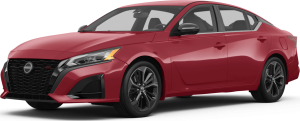
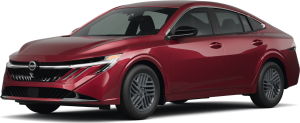
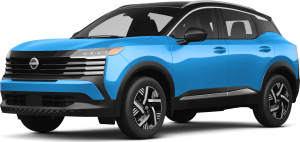
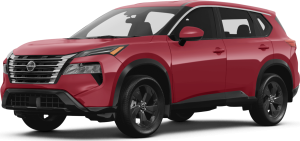
When you're ready to purchase your next Nissan in El Cajon, understanding your loan payments ahead of time is key to making a confident decision. By calculating your monthly payments, you can better budget for your dream car without any surprises. Factors such as the vehicle price, interest rate, loan term, and your down payment all play a role in determining what you’ll pay each month. Whether you’re eyeing a sleek Nissan Altima, a family-friendly Rogue, or the all-electric Leaf, having a clear picture of what fits your budget helps keep the car-buying experience smooth and stress-free.
Calculate Your Nissan Loan Payments in El Cajon
When buying a car, one of the most crucial aspects is understanding how to calculate your monthly payments. Whether you’re financing a new vehicle or a pre-owned one, the process involves various factors that can affect your monthly expenses. While the sticker price might be a major concern, understanding the total cost over the life of the loan and how monthly payments are structured can help you make an informed decision. In this article, we'll dive into the key elements that influence monthly payments, including loan term length, interest rates, and down payments.
The Impact of Loan Term Length on Monthly Payments
The length of your loan term is one of the most significant factors influencing your monthly car payments. Loan terms generally range from 36 to 72 months, though some loans may go beyond that. The term you choose can dramatically alter how much you owe each month, and understanding the advantages and disadvantages of different loan terms is essential.
If you opt for a shorter loan term, you’ll likely face higher monthly payments, but the benefit is that you’ll pay off the loan faster and accrue less interest over time. Shorter terms, such as 36 or 48 months, help reduce the overall cost of the loan because you pay less interest on the principal amount. For example, if you're purchasing a car that costs $25,000 with a 36-month loan at an interest rate of 4%, your monthly payments will be higher than if you choose a 72-month loan, but you'll pay significantly less in total interest. A shorter loan term also allows you to build equity in the car faster, which can be a crucial advantage if you plan to trade in or sell the vehicle down the road. However, while paying off the loan faster is beneficial, higher monthly payments might strain your budget. Therefore, choosing this option is ideal for individuals with higher disposable income who can manage larger monthly expenses.
On the other hand, a longer loan term, such as 60 or 72 months, will result in lower monthly payments. This option can be appealing for those who need to keep their payments within a specific budget. However, the downside is that the longer the term, the more interest you’ll pay over the life of the loan. Even though your monthly expenses are reduced, you could end up paying thousands more in interest. For instance, if the same $25,000 car is financed over 72 months at the same 4% interest rate, the lower payments may make the car seem more affordable, but the interest accumulated over time will increase your overall cost.
In addition to paying more interest, longer loan terms carry the risk of negative equity. This means you could owe more on the loan than the car is worth, especially if the vehicle depreciates quickly. While longer loans can help you fit car payments into your budget, they often come with more financial risk in the long run.
The Role of Interest Rates in Car Payments
Interest rates play a critical role in determining the total cost of your car loan and your monthly payments. The interest rate is the percentage of the loan amount that you pay to the lender in addition to the principal amount. It can vary depending on several factors, including your credit score, the length of the loan, and whether you’re buying a new or used car.
How Credit Score Affects Interest Rates
Your credit score is one of the most influential factors in determining the interest rate you'll receive on your car loan. Lenders view individuals with higher credit scores as less risky and, therefore, offer them lower interest rates. For example, if you have an excellent credit score (typically 720 or above), you might qualify for an interest rate as low as 2-3% on a new car loan.
Conversely, if you have a lower credit score (below 600), lenders might consider you a higher risk and charge interest rates of 10% or more. This significant difference in interest rates can greatly impact your monthly payments. For example, financing a $20,000 car at 3% interest over 60 months will result in much lower monthly payments than financing the same car at a 10% interest rate.
Improving your credit score before applying for a car loan can help you secure better rates, saving you money in the long run. Simple steps such as paying down credit card balances and ensuring you have no missed payments on your credit report can boost your score and improve your chances of getting a lower interest rate.
Interest Rates for New vs. Used Cars
Another key factor that affects interest rates is whether you’re buying a new or used car. Typically, new car loans come with lower interest rates compared to used car loans. This is because new cars have a higher value and are considered less risky by lenders. Additionally, automakers often offer promotional financing deals on new cars, such as 0% APR for qualified buyers, further reducing the cost of borrowing.
Used cars, on the other hand, usually come with higher interest rates because they are seen as riskier investments due to depreciation and potential mechanical issues. For example, a new car loan might come with a 4% interest rate, while a used car loan could have an interest rate of 7% or higher, depending on the age and condition of the vehicle. Understanding these differences can help you weigh your options and choose the most cost-effective financing solution.
The Influence of Down Payments on Monthly Payments
Your down payment is the amount of money you pay upfront when purchasing a car, and it directly affects your monthly loan payments. The larger the down payment, the less you'll need to borrow, which can lower both your monthly payments and the total interest paid over the life of the loan.
Making a larger down payment has several benefits. First, it reduces the amount you need to finance, which means you’ll pay less in interest over time. For example, if you're purchasing a $30,000 car and put down $6,000 (20%), you'll only need to finance $24,000, reducing both your monthly payments and the overall interest you’ll pay.
A larger down payment can also help you avoid negative equity. As cars depreciate quickly, particularly in the first few years of ownership, making a substantial down payment can help ensure that you don’t owe more on the car than it’s worth. This is especially important if you plan to trade in the car before the loan is fully paid off. Additionally, making a larger down payment can improve your chances of getting approved for a loan and potentially securing a lower interest rate. Lenders view larger down payments as a sign of financial responsibility and a lower risk, which can result in more favorable loan terms.
While making a larger down payment has its advantages, some buyers may opt for a smaller down payment or even no down payment, particularly if they prefer to keep more cash on hand for other expenses. However, a smaller down payment will result in a higher loan amount, leading to higher monthly payments and more interest paid over time.
For instance, if you buy the same $30,000 car with only a $3,000 (10%) down payment, you’ll need to finance $27,000, which increases the loan amount and the total interest paid. Additionally, with a smaller down payment, you may be at greater risk of negative equity, especially if the car depreciates quickly. While a smaller down payment can be appealing if you need to minimize upfront costs, it's important to consider the long-term financial implications.
Additional Factors Affecting Monthly Payments
Beyond loan terms, interest rates, and down payments, several other factors can influence your monthly car payments. These include taxes, fees, and trade-ins, all of which play a role in determining the total cost of your vehicle and how much you’ll pay each month.
When purchasing a car, there are several taxes and fees that need to be considered. Sales tax, registration fees, and documentation fees are all added to the final purchase price of the vehicle, increasing the total amount you’ll need to finance. While these costs can vary depending on your location, they can add several thousand dollars to the cost of the car. In many cases, taxes and fees can be rolled into the loan, which will increase your monthly payments. For example, if you're purchasing a $25,000 car and there are $2,500 in taxes and fees, your loan amount would increase to $27,500 if you choose to finance these additional costs. It's important to factor these expenses into your budget when calculating your monthly payments.
If you’re trading in your current vehicle, the value of the trade-in can be applied to the down payment or deducted from the total loan amount, reducing your monthly payments. For example, if the trade-in value of your car is $5,000 and you’re purchasing a $30,000 vehicle, the trade-in can reduce the amount you need to finance to $25,000, resulting in lower payments.
However, it’s crucial to understand the trade-in process and ensure you’re getting a fair value for your current vehicle. Factors such as the car’s condition, mileage, and market demand will influence the trade-in value. Negotiating a higher trade-in value can help reduce your loan amount and make your monthly payments more manageable.
By considering all of these factors and doing thorough research, you can better understand how to calculate your car's monthly payments and ensure that you’re making a financially sound decision that fits within your budget.
Financing and Trade-In Tips for El Cajon Drivers
Taking control of your finances starts with understanding the impact of each variable in your loan. A longer loan term may lower your monthly payments but could increase the total interest you’ll pay over time. On the other hand, a larger down payment can significantly reduce the amount you borrow, helping you save money in the long run. At Mossy Nissan El Cajon, our team is here to guide you through the process, offering personalized advice to match your financial goals with the perfect Nissan vehicle.
At Mossy Nissan El Cajon, we know that finding the right car and financing options is crucial to making your car-buying experience enjoyable and stress-free. That’s why we offer expert guidance to help El Cajon drivers navigate the process of securing financing and maximizing their trade-in value. One of the best steps you can take before visiting our dealership is to explore pre-approved financing. Our guide on The Benefits of Pre-Approved Financing in El Cajon explains how this simple step can streamline your car-buying process, helping you save time and get a clearer picture of your loan terms upfront.
When it comes to trading in your current vehicle, knowing how to prepare can help you get the best value. Our guide on Top Trade-in Tips at Mossy Nissan El Cajon provides valuable insights into cleaning, maintaining, and presenting your car in the best possible condition for a higher trade-in offer. It’s also important to understand the key factors that influence trade-in value, such as mileage, condition, and market demand. To dive deeper into this, check out What Affects Your Car's Trade-in Value?, which can help you make informed decisions as you prepare to upgrade your vehicle. We’re here to help you through every step, so you get the best possible deal at Mossy Nissan El Cajon.